Embrace Slow Travel:
This is a subtitle for your new Deep Dive into Destinations for a Richer Experience
You know that feeling when you're rushing through an airport, checking your watch, and realizing you've spent more time getting to a place than actually being there? Yeah, we've all been there. But what if I told you there's a better way—one that lets you actually live in a destination instead of just visiting it?
Welcome to slow travel.
At Pap Paws Travel & Tours, we've learned something pretty magical over the years: the best vacations aren't about crossing items off a bucket list. They're about sitting on a beach at sunset with a cold drink in hand, knowing you'll be back there tomorrow. They're about your kid becoming friends with a local shopkeeper because you've visited their stand three days in a row. They're about tasting authentic street food not because it's on an Instagram hashtag, but because you had time to wander and discover it yourself.
Slow travel—especially when you build it into your cruise itinerary—is about trading quantity for quality. And honestly? It changes everything.
Why Slow Travel Matters (Especially for Families)
Let's be real: family vacations are an investment. Between coordinating schedules, saving money, and managing the logistics of getting everyone on the same page, you're putting in serious effort. So why spend all that time and money rushing?
When you embrace slow travel, you're not just taking a vacation—you're creating experiences that stick with your family for years. Your kids will remember the beach vendor who taught them Spanish words, not the name of the fifth resort you barely spent time at. They'll talk about the restaurant where the owner knew their order by day three, not the chain restaurants you hit between ports.
Slow travel also reduces stress. No more frantic packing and unpacking every night. No more coordinating with tour groups or worrying about missing the ship. When you have real time in a destination, you can move at your own pace. You can take a nap. You can sit and read. You can let your kids play in the sand without watching the clock. That's not just a vacation—that's healing.
And here's something parents rarely talk about: slow travel gives you space to actually connect with your family. When you're not rushing, you're not stressed. When you're not stressed, you're present. When you're present, those are the moments your kids remember forever.
The Magic of Extended Ports and Overnight Stays
Here's where cruise itineraries become your secret weapon for slow travel.
Traditional cruise itineraries are designed for maximum port variety—a little bit of everywhere, never quite enough anywhere. You roll into port at 8 a.m., have maybe six hours to explore, and you're back on the ship by evening. It's like speed dating with destinations, and honestly, nobody wins in that scenario.
But extended itineraries? Overnight ports? Late-night stays? That's where the real magic happens.
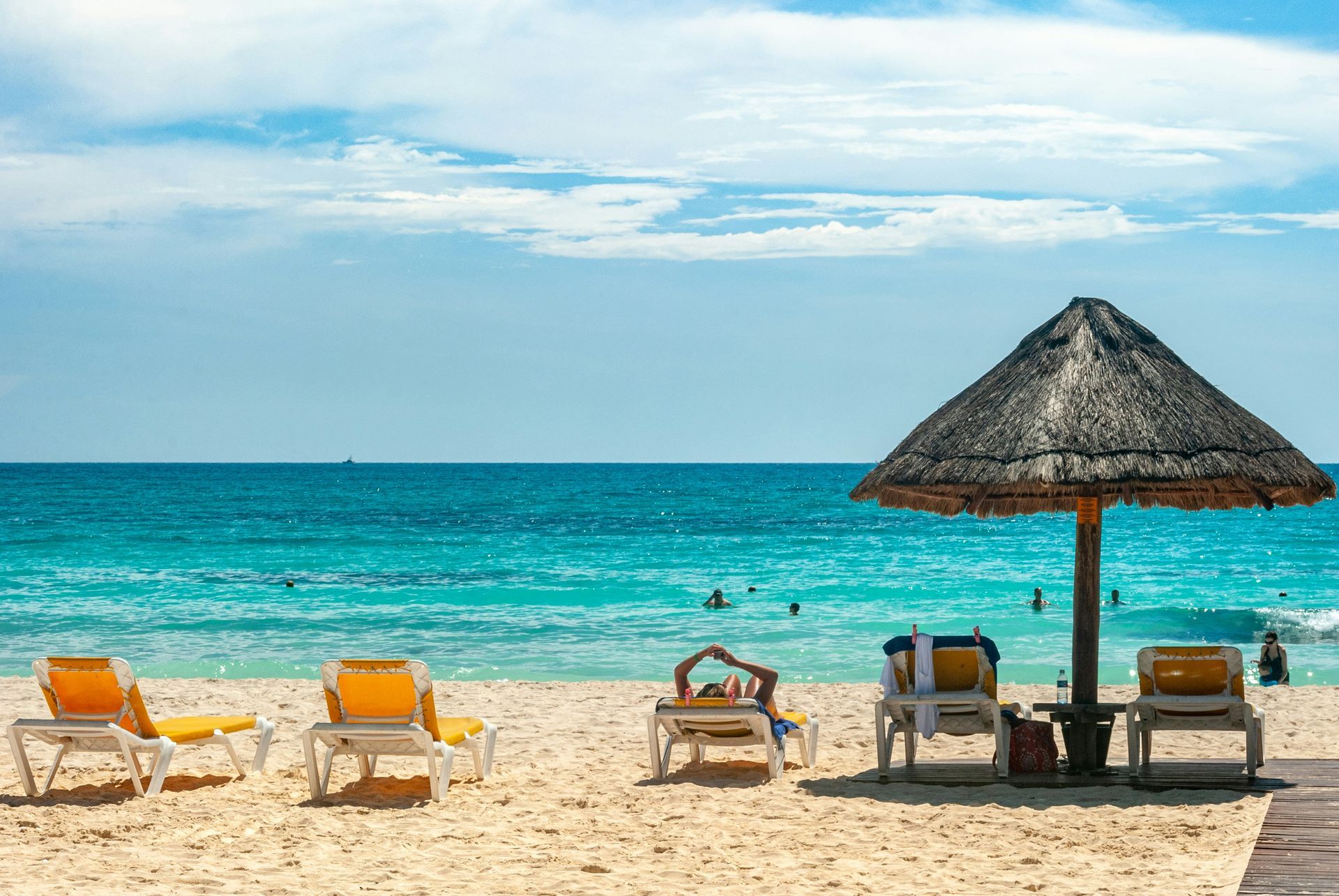
Imagine pulling into Cozumel and knowing you have until the next morning. You're not racing back to the ship by 5 p.m. You can have dinner at a real local restaurant—not the tourist spot near the port, but the place where families actually eat. You can watch the sunset from the beach without one eye on your watch. You can come back to the ship, sleep, and wake up with another full day ahead of you in the same place.
Or picture this: you're docked in Montego Bay for two full days. Your family discovers a hidden waterfall hike that's not in any guidebook. You eat jerk chicken from a food truck that's been run by the same family for thirty years. Your teenager actually puts their phone down because they're too busy learning to play dominoes with locals at a beach bar. These aren't things that happen in a six-hour port stop. These are the moments that define a vacation.
The beauty of building slow travel into a cruise is that you still get the convenience and all-inclusive comfort of a cruise ship—the meals, the entertainment, the security of knowing where you're sleeping. But you're not trapped by the traditional cruise schedule. You're free to actually explore.
Caribbean Slow Travel: Island Time, Done Right
The Caribbean is basically made for slow travel. The whole culture is built around taking your time, enjoying what's in front of you, and not sweating the small stuff. When you align your vacation with that energy, something shifts.
Think about a multi-day stay in the U.S. Virgin Islands. You could anchor in St. John and spend two days hiking through national park trails, snorkeling in crystal-clear water, and eating fresh seafood at beachside shacks. Your family learns about the island's history—the sugar plantations, the enslaved people who built them, the resilience of the community—not from a tour guide's script, but from conversations with locals and plaques you discover while wandering.
Or take Turks and Caicos. Most cruise itineraries give you a few hours. But what if you had a full day and a night? You could spend the morning on those impossibly white-sand beaches, the afternoon exploring local shops and art galleries, and the evening at a proper dinner where you're not eating in a massive dining room with two thousand other passengers. You could taste what the island actually tastes like.
The Caribbean also offers something increasingly rare: the chance to slow down with your kids and have them actually enjoy it. There's no "but I'm bored" when you're swimming in turquoise water, hunting for shells, and eating tropical fruit you can't get at home. There's no complaining when you're building sandcastles with a parent who's actually present and not thinking about the next port.
Extended Caribbean itineraries also let you experience the real rhythm of island life. You see how the islands prepare for evening. You notice the shift in energy. You become part of the fabric of the place, even if just for a day or two, instead of being a visitor who passes through.
Mexico: Culture, Food, and Authentic Connection
Mexico might be the gold standard for slow travel experiences—especially when you have real time to spend there.
A typical cruise stop in Cozumel or Playa del Carmen? You'll see the resort areas and maybe a cenote tour. But when you have a full day or two, you can actually know Mexico. You can take a local bus (yes, really!) to a nearby town where tourists rarely venture. You can eat at a comedor—a small family restaurant—where the menu changes daily and everything is made fresh that morning. You can watch how locals actually live, work, and celebrate.
Here's something magical that happens when you slow down in Mexico: your kids start to understand Spanish, even if they don't speak it. They notice patterns. They pick up words from context. They become curious about the culture instead of just consuming it as a tourist activity. That's education that sticks.
Food becomes an adventure instead of a checkbox. Instead of a "Mexican dinner show," you're eating carne asada from a street vendor whose family has been making it the same way for generations. You're tasting fresh agua fresca from a shop that's been there since your guide's grandmother was young. You're learning that "authentic Mexican food" tastes nothing like what you make at home—and that's the whole point.
And the history? Mexico is deep. Ancient ruins, colonial architecture, indigenous traditions that have survived centuries—it's all there. When you have time, you can actually absorb it. Your family visits a cenote not as a photo op, but as a sacred place that's been important to the Maya for thousands of years. That context changes everything.
Extended stays in ports like Cozumel, Playa del Carmen, or even smaller ports give you the space to be a traveler, not a tourist. And that distinction matters more than you might think.
Building Real Connections Through Time
Here's what we've learned at Pap Paws: the best souvenirs aren't things you buy. They're memories and connections.
When you have real time in a destination, you build relationships. Your kids remember the name of the shop owner. You return to the same restaurant and the staff knows your order. You chat with locals about their lives, their families, their hopes. These aren't transactional interactions—they're genuine human connections.
Those connections are what transform a vacation from "we went here" to "we know this place." Your kids understand that the world isn't a series of attractions to consume—it's full of real people living real lives, and those people are worth knowing.
This is especially powerful for families. Kids who travel slowly develop empathy, curiosity, and a genuine interest in how other people live. They're not just collecting experiences; they're expanding their understanding of the world. And isn't that what we really want for our families?
Practical Tips for Embracing Slow Travel
So how do you actually build slow travel into your vacation? Here are some practical strategies:
Choose extended itineraries. Look for cruises that spend two or more days in key ports instead of hitting six ports in seven days. Yes, you'll see fewer places. You'll also actually experience the places you visit.
Plan for overnight ports. If your ship is docked overnight, stay awake and explore the evening energy. Eat dinner on land. Walk around after dark. Experience the destination as locals do, not just as a daytime tourist.
Skip the organized tours (sometimes). Don't get us wrong—good tours are valuable. But also spend time just wandering. Get lost (safely). Discover things on your own. Talk to locals. This is where the real magic happens.
Eat where locals eat. Ask your ship's staff or hotel concierge where they eat. Venture beyond the tourist restaurants. Food is culture, and authentic food is authentic connection.
Build in downtime. Don't schedule every minute. Leave space for spontaneity, rest, and just being in a place. Some of the best vacation moments happen when you're not doing anything in particular.
Involve your kids in the planning. Let them research the destination. Let them choose one activity or restaurant. Give them ownership of the experience. They'll be more engaged and more likely to remember it.
The Pap Paws Difference
At Pap Paws Travel & Tours, we specialize in exactly this kind of travel. We're not about cramming as much as possible into your vacation. We're about creating the kind of trips that your family talks about for years—the kind where everyone comes home feeling rested, connected, and genuinely enriched.
We know the best cruise itineraries for slow travel. We know which ports are worth extending your stay. We know the hidden gems in Mexico and the Caribbean that make vacations unforgettable. We know how to build a trip that works for families—one where parents actually relax and kids actually engage.
Because here's the truth: the best family vacations aren't about doing more. They're about being more—more present, more connected, more alive. They're about trading the stress of rushing for the joy of lingering. They're about creating memories that last a lifetime.
That's what slow travel is. And that's what we're here to help you create.
Ready to embrace slow travel? Let's talk about building your next family adventure—the one where you actually have time to fall in love with a place.
At Pap Paws Travel & Tours, we believe the best vacations are the ones where you slow down, connect deeply, and create memories that last. Whether you're exploring the Caribbean, discovering Mexico, or sailing on a Disney cruise, we'll help you design a trip that prioritizes experience over itinerary. Get in touch, and let's start planning your family's next unforgettable adventure. ✨